February 13, 2026
Impact of infrastructure on property prices
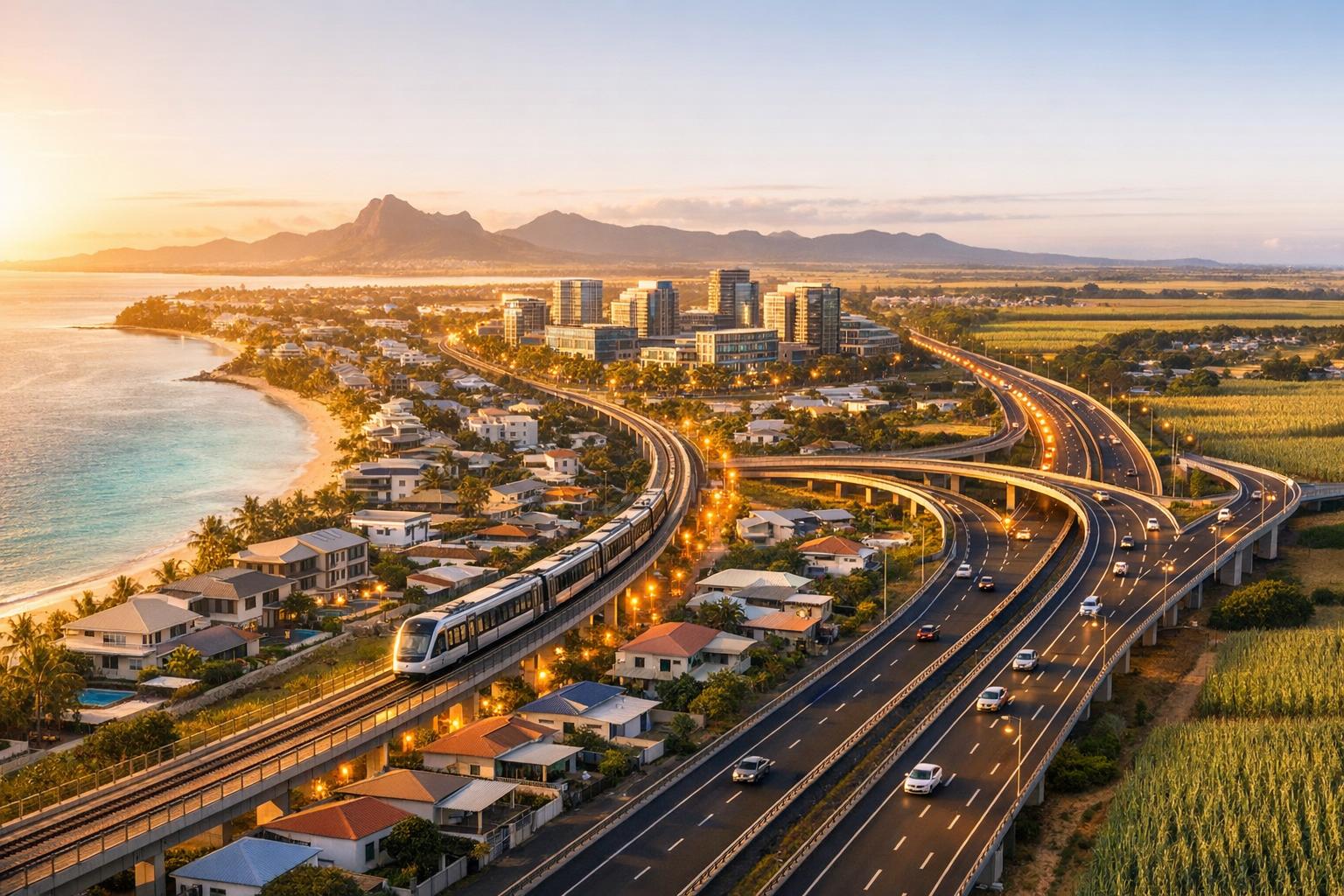
Mauritius is undergoing a major transformation of its real estate market thanks to modern infrastructure projects. These initiatives, such as the Metro Express and the Road Decongestion Programme, are directly influencing property values by improving connectivity and accessibility in various regions. Here are the key points to remember:
- Metro Express: Connects strategic towns (Curepipe, Port Louis, etc.) with a daily ridership of 55,000 passengers in 2023. This has increased the attractiveness of the serviced areas.
- Road networks: The M1 motorway and other road projects facilitate travel between economic hubs and coastal regions, boosting property prices.
- Smart Cities: These integrated developments (Moka, Ebène, Mont Choisy) combine housing, offices and leisure, attracting local and foreign investors.
- Coastal real estate: Areas such as Tamarin and Grand Baie benefit from modern infrastructure, attracting an international clientele with luxury properties.
Property prices are increasing according to proximity to infrastructure. For example, land near metro stations and modernised roads show significant increases. In 2025, the median price of villas reached approximately 1.2 million USD (approx. 6,445 USD/sqm). These trends show that the real estate market in Mauritius is booming, supported by public and private investments.
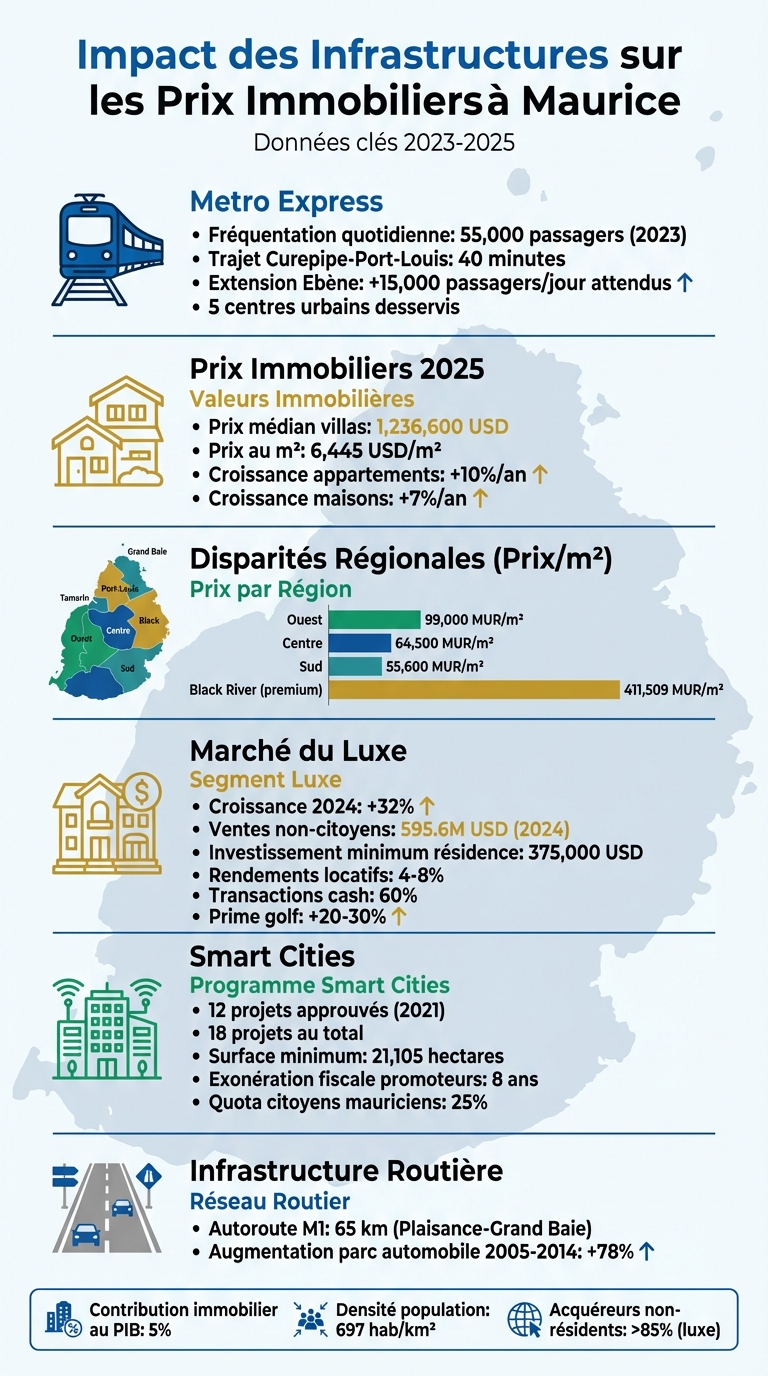
Impact of infrastructure on property prices in Mauritius - Key data 2023-2025
Visiting a SMART CITY in MAURITIUS: Should you invest?
sbb-itb-3115173
How transport infrastructure influences property prices
Transport infrastructure plays a key role in increasing the value of real estate. In Mauritius, this reality is particularly visible with the development of the Metro Express and improvements to the road network. Properties located near metro stations or modernised road axes become more attractive, as they reduce travel times and offer easier access to major activity centres. This improved connectivity fuels the interest of real estate investors, making accessibility a determining factor in property valuation.
The impact on prices varies according to the projects. In Mauritius, increases in property values often occur at the beginning of the works or once they are completed, rather than at the announcement of the projects. This is due to initial uncertainties surrounding the financing and feasibility of the works. Once the infrastructure is operational, demand for properties located in these areas increases rapidly.
Data corroborates this trend. In some Mauritian regions, land prices have soared after the introduction of new real estate projects and associated infrastructure. This reflects buyers' willingness to spend more to benefit from better connectivity. The Metro Express, for example, perfectly illustrates how a project can transform the urban real estate landscape.
Metro Express: Impact on urban property values
The Metro Express has profoundly modified the real estate market in the five urban centres it serves: Port Louis, Beau Bassin/Rose Hill, Quatre Bornes, Vacoas/Phoenix and Curepipe. These areas have become major hubs thanks to their improved accessibility. Now, the journey between Curepipe and Port Louis takes only about 40 minutes, making life on the outskirts more attractive for many workers.
The first phase, connecting Port Louis to Rose Hill, entered service in January 2020. In January 2023, after the completion of Phase 2B to Curepipe, the Metro Express recorded a daily ridership of 55,000 passengers. This success demonstrates its central role as a transport link between the main urban real estate markets.
In July 2021, Metro Express Ltd (MEL) and private developer Ascencia signed an agreement to build the Phoenix Mall station. This project, fully funded by Ascencia for Rs 235 million, offers direct rail access to the Phoenix shopping centre. Dr Das Mootanah, CEO of MEL, stated:
"The Phoenix Mall Station will be the first station of its kind in Mauritius and will benefit the public as well as MEL and Phoenix Mall. This project will be fully funded by Ascencia for Rs 235 million."
The extension to Ebène Cybercity and Réduit, completed in January 2023, is expected to attract an additional 15,000 passengers per day, thus strengthening economic development in these highly demanded areas. These advances increase the residential and commercial appeal of the corridors served by the metro, consolidating the general upward trend in prices observed in these areas.
Road networks and regional real estate development
In parallel with rail improvements, investments in the road network also strengthen regional connectivity. By reducing travel times and easing traffic, these projects promote real estate development. The Decongestion Programme, for example, demonstrates the government's commitment to making previously isolated areas more accessible for residential and commercial projects.
The M1 motorway, which crosses the island for 65 kilometres, connects Plaisance airport in the south to Grand Baie in the north. Several key projects, such as the Pont-Fer-Phoenix viaduct, the Hillcrest interchange and the Sorèze road connecting the A1 road to the M1, further improve this connectivity. These infrastructures facilitate travel between major hubs and coastal or inland regions.
With a 78% increase in the car fleet between 2005 and 2014, demand for properties located near modernised roads has also increased. Buyers prefer areas that offer quick access to employment centres and services.
Arturo Cuevas from 2Futures summarises this dynamic well:
"Expect property investment endeavours to draw tailwinds from several government infrastructure projects, including those for railway and road networks."
Smart Cities and high-end property prices
Smart Cities complement infrastructure investments by offering integrated urban spaces. These projects combine housing, offices and leisure areas, reducing travel and improving quality of life. This 'Work, Live and Play' concept explains the higher prices compared to traditional neighbourhoods.
The infrastructure of these cities plays a key role in increasing property values. Standards promoting green spaces and cycle paths reinforce the attractiveness of these developments. These cities, focused on sustainable and technological solutions, attract international clientele willing to invest at least 375,000 USD to obtain a residence permit. These initiatives are based on legal measures and tax advantages, detailed further below.
The government supports this dynamic with attractive incentives. Developers can benefit from an 8-year tax exemption and VAT exemptions on equipment. These measures facilitate the financing of ambitious projects that justify high prices. In 2024, property sales to non-citizens reached 595.6 million USD, demonstrating the growing appeal of these projects.
Moka and Ebène Cybercity: analysis of a Smart City
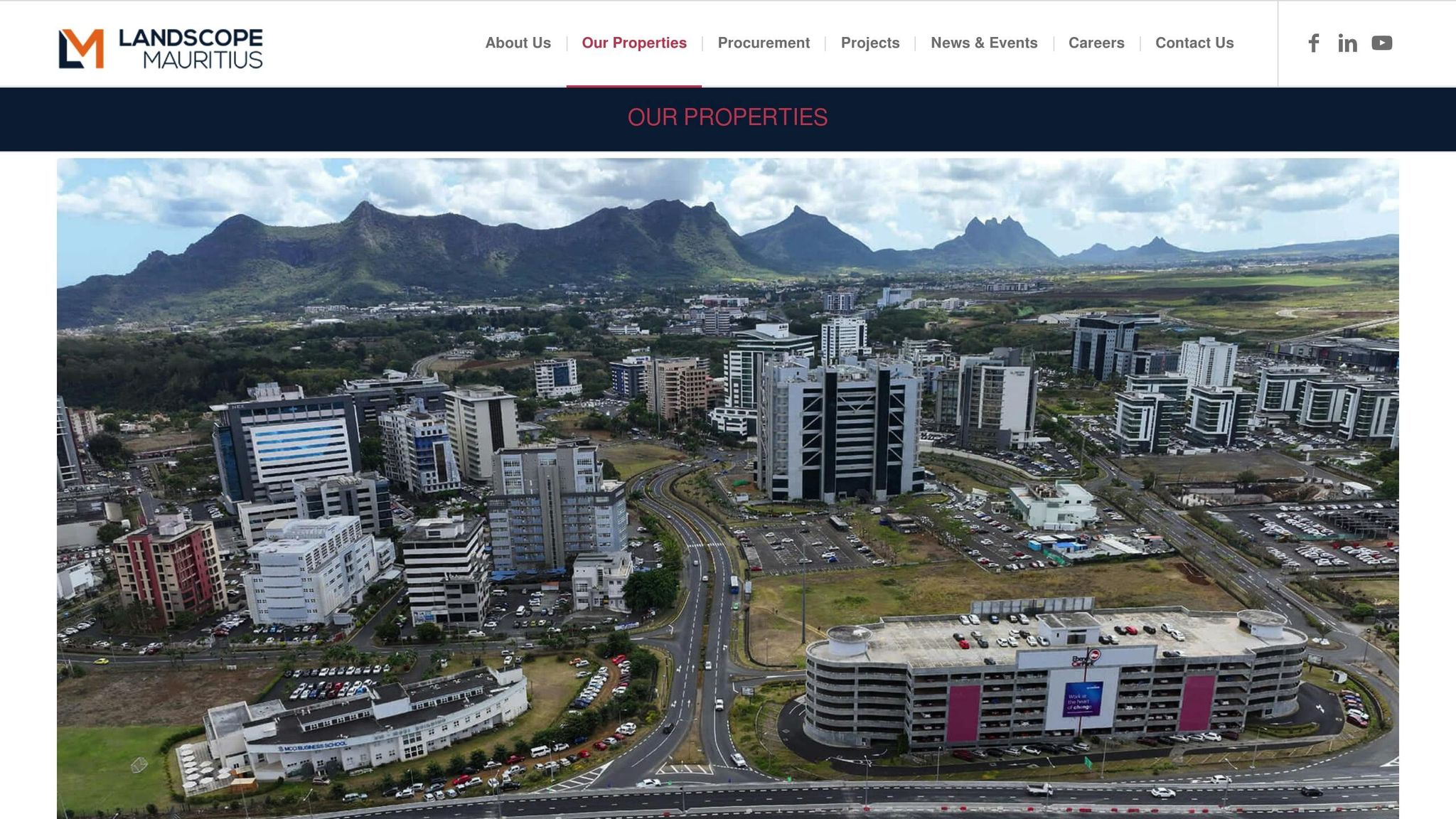
Moka has established itself as a major business and residential hub thanks to the initiatives of the ENL group. The city now attracts judicial, political and commercial activities previously concentrated in Port Louis, which has led to a significant increase in property prices.
Ebène Cybercity, an integral part of this ecosystem, hosts many international companies. Its connectivity has further improved with the extension of the Metro Express, which is expected to transport approximately 15,000 additional passengers each day, thus increasing the residential attractiveness of the area. In addition, the Bagatelle commercial district, developed by ENL, enriches the offer with its shopping centres, restaurants and practical services.
Mont Choisy and Bagatelle: expanding real estate markets

Other areas such as Mont Choisy and Bagatelle also illustrate the dynamism of the high-end real estate sector in Mauritius. Mont Choisy Smart City, developed by the Mont Choisy group, stands out for its leisure and golf-oriented offer. This project combines luxurious residences, a professional golf course and proximity to the northern beaches. This combination attracts an international clientele seeking an exclusive lifestyle. In 2025, the median price of villas in Mauritius reached 1,236,600 USD (approx. 6,445 USD/sqm), reflecting a constant demand that supports high prices.
The Bagatelle region also benefits from this dynamic thanks to its residential and commercial developments that appeal to both local and international buyers. Smart Cities regulations provide that 25% of properties are reserved for Mauritian citizens or members of the diaspora.
To discover these projects and access exceptional properties in Mauritius, consult Soléa Realty, a specialist in luxury real estate.
Coastal infrastructure and demand for luxury properties
Modern coastal infrastructure is transforming the real estate landscape in Mauritius. With major improvements in roads, better connectivity and modern facilities, areas such as Black River and Tamarin have seen their property values increase significantly. These regions now host high-end shopping centres, international schools and advanced medical facilities, thus attracting permanent residents.
The coastal luxury market has shifted towards residences associated with prestigious hotels, offering exclusive services such as spas, fine dining restaurants and concierge services. These properties generate attractive rental yields, ranging from 4% to 8%. Wealthy buyers particularly seek secure communities with private beaches and integrated home automation technologies. This dynamic has allowed the luxury property segment to record a growth of 32% in 2024, surpassing the overall market progression, estimated at 27.19%.
Public investments in infrastructure also play a key role in the appreciation of high-end properties. For example, properties located near golf courses benefit from a premium of 20% to 30%. Similarly, private marinas, offering complete services such as refuelling and boat maintenance, remain a major attraction for the ultra-luxury segment. Notably, more than 85% of acquisitions in this sector are made by non-residents, mainly from Europe and South Africa, attracted by the possibility of obtaining a residence permit for a minimum investment of 375,000 USD.
These trends support the growth of a booming luxury market, as shown by the examples of Grand Baie, Tamarin and Black River.
Grand Baie: luxury market in northern Mauritius
Grand Baie is a perfect example of the impact of infrastructure on high-end real estate. Nicknamed the 'Côte d'Azur of Mauritius', this region offers a unique combination of fine dining restaurants, exclusive boutiques and a lively nightlife. Infrastructure such as the La Croisette shopping centre and the presence of private international schools have helped maintain high property prices. The modern marina, with its private berths and complete nautical services, attracts an international clientele seeking a sophisticated lifestyle.
Luxury villas in Grand Baie generally sell for between 1 million USD and 5 million USD. This price range reflects the quality of the available infrastructure, including exclusive beach clubs and first-class wellness facilities. Approximately 60% of transactions in this segment are conducted in cash, which testifies to the purchasing power of buyers targeting this prestigious destination.
Tamarin and Black River: developments in the west region
In the west of the island, Tamarin and Black River benefit from targeted investments that favour the development of a high-end market. This region offers a more relaxed atmosphere while benefiting from significant infrastructural improvements. New roads and proximity to nature reserves have transformed these localities into prime destinations for families seeking a peaceful living environment close to nature. In Tamarin, property values have increased by approximately 35% over the last five years, thanks to improved connectivity and the emergence of secure residential communities.
Black River, for its part, displays high property prices, with some properties reaching 411,509 MUR per square metre. This region attracts surfers and water sports enthusiasts, while also offering integrated projects combining luxurious residences and modern infrastructure. The proximity of nature reserves further adds to the appeal of this destination and justifies premium prices.
For investors interested in these exclusive opportunities in the coastal regions of Mauritius, Soléa Realty offers personalised support to find exceptional properties.
Government initiatives and future infrastructure projects
Smart City Scheme and property values
The Smart City Scheme (SCS) is at the heart of the Mauritian government's strategy to reshape the country's real estate landscape. This programme aims to create integrated urban hubs where people can 'work, live and play' over a minimum area of 21,105 hectares. In 2021, 12 smart city projects had already received official approval, although they are at various stages of completion.
To encourage this development, significant tax incentives are being put in place. For example, developers benefit from an eight-year income tax exemption, as well as VAT exemptions on capital goods and customs duties on imports. In addition, Mauritian first-time buyers benefit from an exemption from registration duties, making these properties more affordable.
Smart cities are also distinguished by their regional specialisation, which directly influences property prices. For example, Medine (Uniciti) focuses on education with prestigious institutions such as the Sorbonne and ESSEC, while Mon Trésor positions itself as a logistics hub thanks to its proximity to the airport. These specialisations attract specific investors and justify higher prices in these areas.
These initiatives mark the beginning of a new era of investments, reinforced by upcoming infrastructure projects.
Future infrastructure projects and market trends
As part of its urban sustainability vision, the government has introduced the Disaster Risk Reduction and Management Strategic Framework 2020-2030. This framework requires new projects to include at least 25% green spaces and limit construction to 50% of the total area.
The decentralisation of economic activities is transforming the country's real estate map. Port Louis, long the nerve centre, is gradually losing ground to new smart cities. This migration of businesses and residents to these emerging areas fuels speculative dynamics in the real estate market. For example, multinationals such as DHL, Samsung and Unilever have already invested in spaces within the Mon Trésor logistics hub, illustrating how industrial infrastructure strengthens local real estate demand.
The Premium Investor Certificate is another key initiative, aimed at attracting investments exceeding 500 million MUR. This certificate offers rebates and preferential rates, thus encouraging high-end projects. In addition, the government supports the conversion of agricultural land, often from former sugar companies, into high value-added real estate developments.
With a population density of 697 inhabitants per km², Decordier Immobilier pointed out:
« Smart City is the most sustainable urban planning solution for Mauritius ».
Conclusion
Modern infrastructure is profoundly transforming the real estate landscape in Mauritius. Over the last two decades, projects such as new motorways, schools, universities, and the Metro Express transport network have reshaped the priorities of real estate investors on the island. Areas once little valued become very attractive as soon as infrastructure projects are announced, creating interesting opportunities for visionary investors.
The figures speak for themselves: apartments record an annual increase of 10%, while houses progress by 7%. Regional disparities are also revealing. For example, prices in the West reach an average of 99,000 MUR/sqm, compared to 64,500 MUR/sqm in the Centre and 55,600 MUR/sqm in the South. These disparities clearly show how infrastructure directly influences property valuation according to their location.
The importance of monitoring future infrastructure projects becomes even more crucial as tax changes approach, such as the increase in registration duties to 10% from 1 July 2026. Romuald Rousseaux sums up this dynamic well:
« An area that may seem isolated today could become an essential location over time thanks to planned new developments ».
The Mauritian real estate market is at a strategic turning point. With 18 Smart City projects already approved and continuously improving infrastructure, regions such as Moka, Tamarin and Grand Baie are attracting more and more international investments. Real estate and hospitality now represent 5% of the national GDP, highlighting the economic importance of this sector.In this context, the choice of location and close monitoring of infrastructure projects are essential to maximise the value of investments. Whether it is urban transport, Smart Cities, coastal developments or public initiatives, each project redefines real estate prospects. For informed advice and tailor-made support in your luxury projects, Soléa Realty remains a trusted partner in the Mauritian real estate market.
FAQs
How to identify the neighbourhoods that will benefit from future infrastructure projects?
To identify promising areas in Mauritius, it is essential to stay informed about official announcements concerning public and private projects. Here are some useful tips:
- Public projects: Keep an eye on developments such as new roads, the extension of the Metro Express or initiatives related to smart cities. These projects often have a direct impact on the value of surrounding neighbourhoods.
- Private investments: High-end real estate projects, such as luxury residences or commercial complexes, are also key indicators. They often signal growth potential in the region.
- Government strategic plans: Consult documents such as the Smart City programme, which highlights priority areas for economic and urban development. These plans offer a clear vision of where infrastructure will improve quality of life.
By following this information, you will be better able to anticipate the neighbourhoods where properties will gain in value and offer a more attractive living environment.
When to buy near an infrastructure project: at the beginning, at the end, or after?
Buying property near an infrastructure project can be a strategic move, especially at the beginning, when the project is announced or in the planning phase. At this stage, prices are often lower, and the potential for capital gains is high.
Prices also tend to rise during construction and after commissioning. However, waiting for these phases can limit gains, as some of the appreciation will have already occurred. Investing early allows you to fully benefit from the planned improvements in terms of accessibility or mobility.
What criteria to check before investing in a Smart City or a luxury coastal area?
Before embarking on a real estate investment in Mauritius, whether in a Smart City or a popular coastal area, it is crucial to take certain precautions.
First, ensure that the project complies with local regulations in force. This includes property laws and construction standards. Also check that the development offers modern infrastructure adapted to your needs, such as road networks, reliable public services or green spaces.
Another essential point: the transparency of property titles. Make sure that the documents are in order and that you have clear visibility of your rights as a buyer. Accessibility is also a key criterion, especially if you plan to use or rent the property.
Finally, explore the potential tax advantages offered by these investments. Mauritius is known for its attractive tax policies, but it is always best to consult an expert to understand the implications.
To ensure a secure transaction, call on qualified professionals. Agencies such as Soléa Realty specialise in personalised support, guiding you at every step to make your investment a success.
Related blog articles